
If you have ever wondered where anime came from, you are in for a great story. Japanese animation did not appear out of nowhere in the 1990s with Pokémon and Dragon Ball. It has more than a century of history behind it, shaped by pioneering artists, wartime hardship, television, robots, and a few visionary studios.
In this post we will walk through the major chapters of that history, so the next time you press play on an anime, you will know a little about the road that led there.
The Very Beginning: Japanese Animation in the 1910s
Animation reached Japan in the early 20th century, when foreign cartoons were being shown in Japanese cinemas. Inspired by them, a handful of Japanese artists began experimenting on their own.
The first commercially screened Japanese animated films date to 1917. Three names are usually credited as the pioneers: Ōten Shimokawa, Jun’ichi Kōuchi, and Seitarō Kitayama. Their films were short, often only a few minutes long, and many of them are now lost.
One survivor is Kōuchi’s Namakura Gatana (often translated as “The Dull Sword”) from 1917, a short comedy about a samurai who buys a useless blade. A copy was rediscovered in 2008, and it is often cited as one of the oldest surviving Japanese animated films.
Paper, Chalk, and Cut-Outs
Early animators did not have the tools we take for granted today. They experimented with chalk drawings, ink on paper, and cut-out paper figures that were moved a tiny bit for each frame. Celluloid (clear plastic sheets) was expensive, so cut-out animation remained common in Japan for years.
War Years and the First Feature Film
During the 1930s and 1940s, animation in Japan was increasingly tied to government and military propaganda. The most famous example is Momotaro: Sacred Sailors (1945), directed by Mitsuyo Seo. It is generally considered Japan’s first feature-length animated film.
It is a complicated piece of history: technically ambitious, but made to support the war effort. Still, it showed that Japanese studios could produce long-form animation, and many of the artists trained in this era went on to shape the postwar industry.
Toei Animation: Japan’s “Disney of the East”
After the war, the industry rebuilt. In 1956, the film company Toei acquired a small studio and created what became Toei Animation (originally Toei Dōga). Its goal was bold: to make full-color feature films that could compete with Disney.
In 1958, Toei released Hakujaden (The Tale of the White Serpent), widely recognized as Japan’s first color animated feature film. Toei went on to train a generation of talent; among its young employees in the 1960s were Hayao Miyazaki and Isao Takahata, the future founders of Studio Ghibli.
Toei is still one of the biggest names in anime today. It produces long-running hits such as Dragon Ball, Sailor Moon, and One Piece.


Osamu Tezuka and Astro Boy: Anime Comes to Television
No figure looms larger over anime history than Osamu Tezuka (1928–1989), often called the “God of Manga.” Tezuka was a hugely prolific comic artist whose cinematic storytelling style, and characters with big, expressive eyes, became a model for generations of artists.
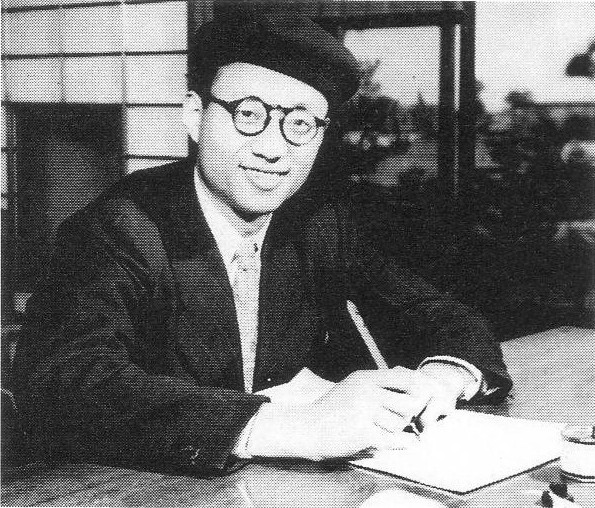

His manga Astro Boy (Tetsuwan Atomu), about a boy robot with a big heart, began in the early 1950s. Tezuka founded his own studio, Mushi Production, and on January 1, 1963, the Astro Boy TV series premiered in Japan. It was a weekly half-hour animated series, a format that was then brand new to Japanese television.
Doing More With Less
Making a weekly show was expensive, so Tezuka’s team used “limited animation”: fewer drawings per second, reused shots, and clever camera moves over still images. Critics sometimes saw this as a shortcut, but it became a signature of the TV anime style and let studios tell long, serialized stories on tight budgets.
Astro Boy was also broadcast in the United States in 1963, making it one of the first anime series seen by American audiences.
The 1970s and 1980s: Giant Robots and Space Operas
As anime matured, it began telling stories aimed at older kids, teens, and even adults. Two big trends defined this period.
The Rise of Mecha
“Mecha” means stories about giant robots, usually piloted by humans. Go Nagai’s Mazinger Z (1972) helped popularize the idea of a hero sitting inside a towering robot. Then, in 1979, director Yoshiyuki Tomino and the studio Sunrise launched Mobile Suit Gundam.
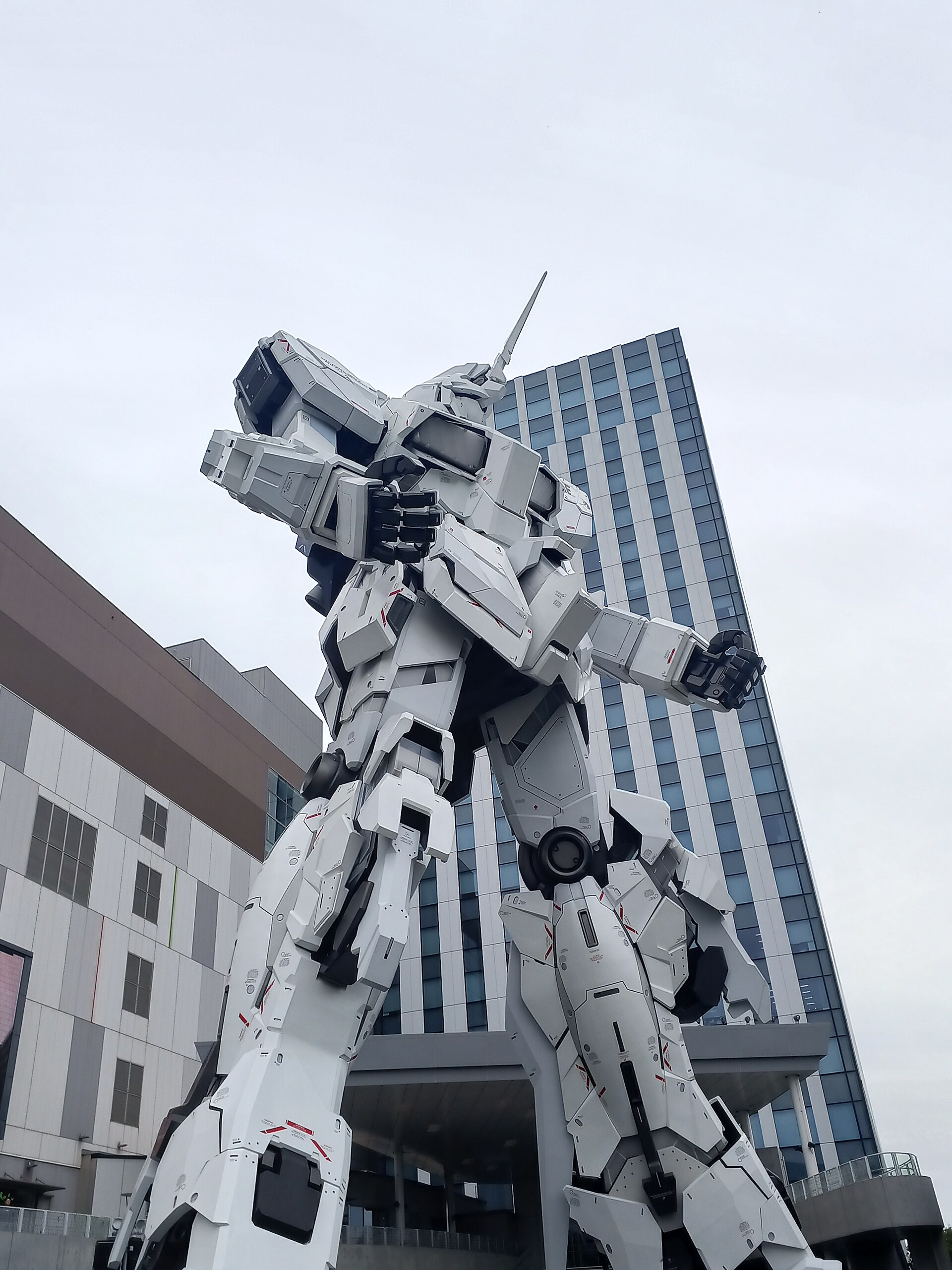
Gundam treated its robots like military hardware and its war as morally gray, which was new for the genre. The show was not an instant hit, but reruns and plastic model kits (known as “Gunpla”) turned it into one of Japan’s biggest franchises. Today, life-size Gundam statues have drawn crowds in Tokyo.

Space Operas and Fandom
Space Battleship Yamato (1974) and The Super Dimension Fortress Macross (1982) mixed science fiction with drama and romance. These shows helped build an organized fan culture, including fan clubs, magazines, and conventions. The 1980s also saw the rise of the OVA (original video animation), anime released directly to home video, which gave creators room for more experimental or mature stories.
Studio Ghibli Is Born
After the success of Miyazaki’s film Nausicaä of the Valley of the Wind (1984), Hayao Miyazaki and Isao Takahata founded Studio Ghibli on June 15, 1985, with support from producer Toshio Suzuki and his publishing company, Tokuma Shoten.
Ghibli’s early films, including Castle in the Sky (1986), My Neighbor Totoro (1988), and Takahata’s Grave of the Fireflies (1988), showed that anime could be gentle, profound, and suitable for the whole family. In 2001, Spirited Away became a massive hit and later won the Academy Award for Best Animated Feature.


Akira: The Film That Opened Western Eyes
In 1988, director Katsuhiro Otomo adapted his own manga into the film Akira. Set in a futuristic “Neo-Tokyo,” it featured stunningly detailed animation, motorcycle chases, and a dark, mind-bending story.
When Akira reached Western theaters and home video, many viewers realized for the first time that animation could be a serious medium for adults. It is often credited with sparking the first wave of Western anime fandom.
The 1990s: Anime Goes Global
The 1990s is when anime truly became a worldwide phenomenon. Several shows led the charge:
- Sailor Moon (anime from 1992) introduced many viewers to the “magical girl” genre.
- Dragon Ball Z (1989–1996) became a staple of after-school TV in many countries.
- Pokémon (anime from 1997) became a global craze, helped by the games and trading cards.
- Neon Genesis Evangelion (1995), Ghost in the Shell (1995), and Cowboy Bebop (1998) won critical acclaim and older fans.
In the United States, Cartoon Network’s Toonami block (launched in 1997) brought shows such as Dragon Ball Z and Sailor Moon to millions of kids, creating a generation of lifelong fans.
The Streaming Era
For years, Western fans relied on TV broadcasts, VHS tapes, and DVDs, often waiting a long time for translations. The internet changed that. Crunchyroll, founded in 2006, grew into a major legal streaming service for anime, offering subtitled episodes shortly after they aired in Japan. Sony completed its acquisition of Crunchyroll in 2021.
Today, Netflix, Crunchyroll, and other platforms stream anime around the world, and series like Attack on Titan and Demon Slayer became global events. In 2020, the film Demon Slayer: Mugen Train overtook Spirited Away, which had held the record for 19 years, to become the highest-grossing film in Japanese box office history.
Conclusion
From short, hand-cut films in 1917 to worldwide streaming hits, anime has traveled an incredible path. Each era built on the last: Toei’s ambition, Tezuka’s TV innovations, the bold robots of the ’70s and ’80s, Ghibli’s artistry, Akira‘s spectacle, and the 1990s global boom.
Now that you know where anime came from, the fun part is finding where to start watching. Check out our beginner’s guide to must-watch anime next!